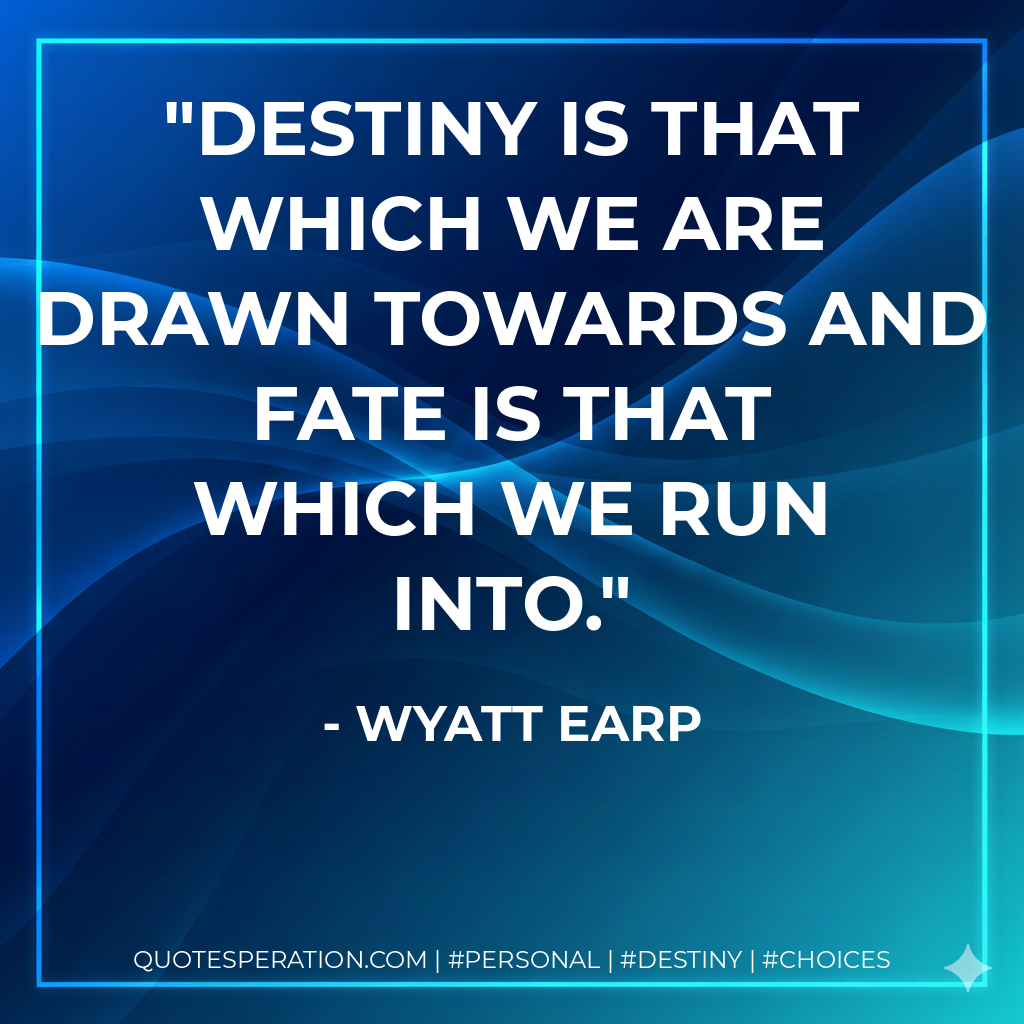
Wyatt Earp
The American West of the mid-to-late nineteenth century produced a particular kind of public figure — men whose lives moved across frontier territories, taking on whatever roles those unsettled lands demanded. Born on March 19, 1848, in Monmouth, Wyatt Earp came into a country that was still, in many respects, defining its own edges.
Earp worked across occupations that reflected the range of possibilities open to men of his era and place. His pursuits included hunting and politics, two endeavors that in the frontier context were not as distant from each other as they might seem — both required navigating contested terrain, whether physical or social. He was a citizen of the United States, and his life unfolded in English-speaking communities shaped by the expansion and turbulence of the period. The details of his political work and his time as a hunter place him within a world where formal institutions and informal economies operated side by side.
He died on January 13, 1929, in Los Angeles, having lived past eighty years of age — a span that carried him from the frontier settlements of the mid-nineteenth century into a twentieth-century city far removed in character from Monmouth. That arc, from 1848 to 1929, traces the broader transformation of the American landscape, and Earp's movement across it, as a hunter and a politician among other things, marks the distance the country itself had traveled across the decades of his life.
Quotes by Wyatt Earp

Shooting at a man who is returning the compliment means going into action with the greatest speed of which a man’s muscles are capable, but mentally unflustered by an urge to hurry or the need for complicated nervous and muscular actions which trick shooting involves.